
Writing a picture book
I’ve come to realize that writing a book for children is a powerful act. Consider your audience. They are young children soaking up everything that touches their lives. A book for a young child is the world. It’s how to see. The book becomes part of the process of making meaning for the very first time. So that’s what you’re doing when you write a story that is accessible to young children.
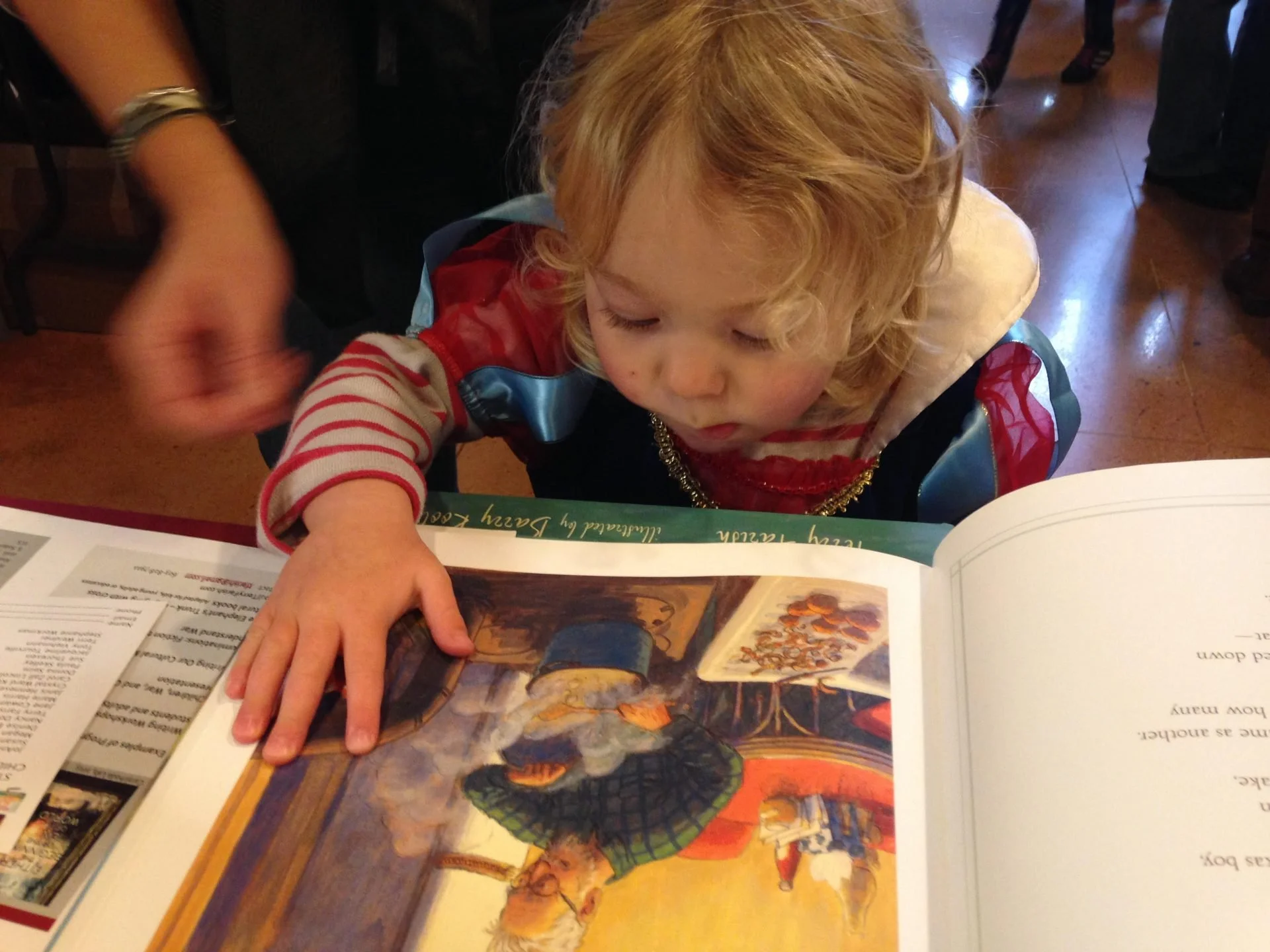
Even though we’re creating books for the very youngest humans — and because that’s what we’re doing — picture books are an art form with many layers that can create meaning. Here I’m talking about the language in picture books, but I offer this focus on writing knowing that it’s the coming together of two art forms — words and images — that makes meaning for a child.
There are almost as many kinds of picture books as there are writers, but I want to offer you a sampling of language writers have used in picture book stories to inspire possibilities for you.
“Wild Berries,” by Julie Flett
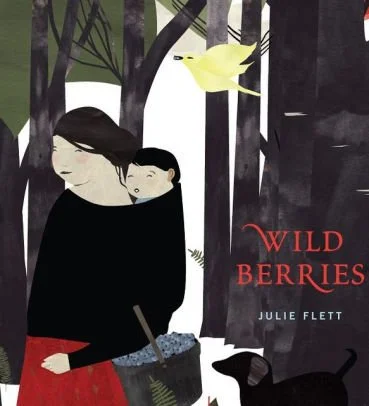
Julie Flett draws from a memory of a family ritual in her book “Wild Berries.” The story's arc is of a day spent by a grandmother and grandchild picking blueberries. Flett creates an elegant and spare emotional tone in her words and images. Language is a tool for characterization. We begin to know the characters through this spare language.
This is a bilingual story, and Flett weaves words in her own dialect of Cree throughout the telling. In the English edition of the book, Cree is printed using the Roman alphabet. Flett devotes some of her few words to sounds.
Tup, tup
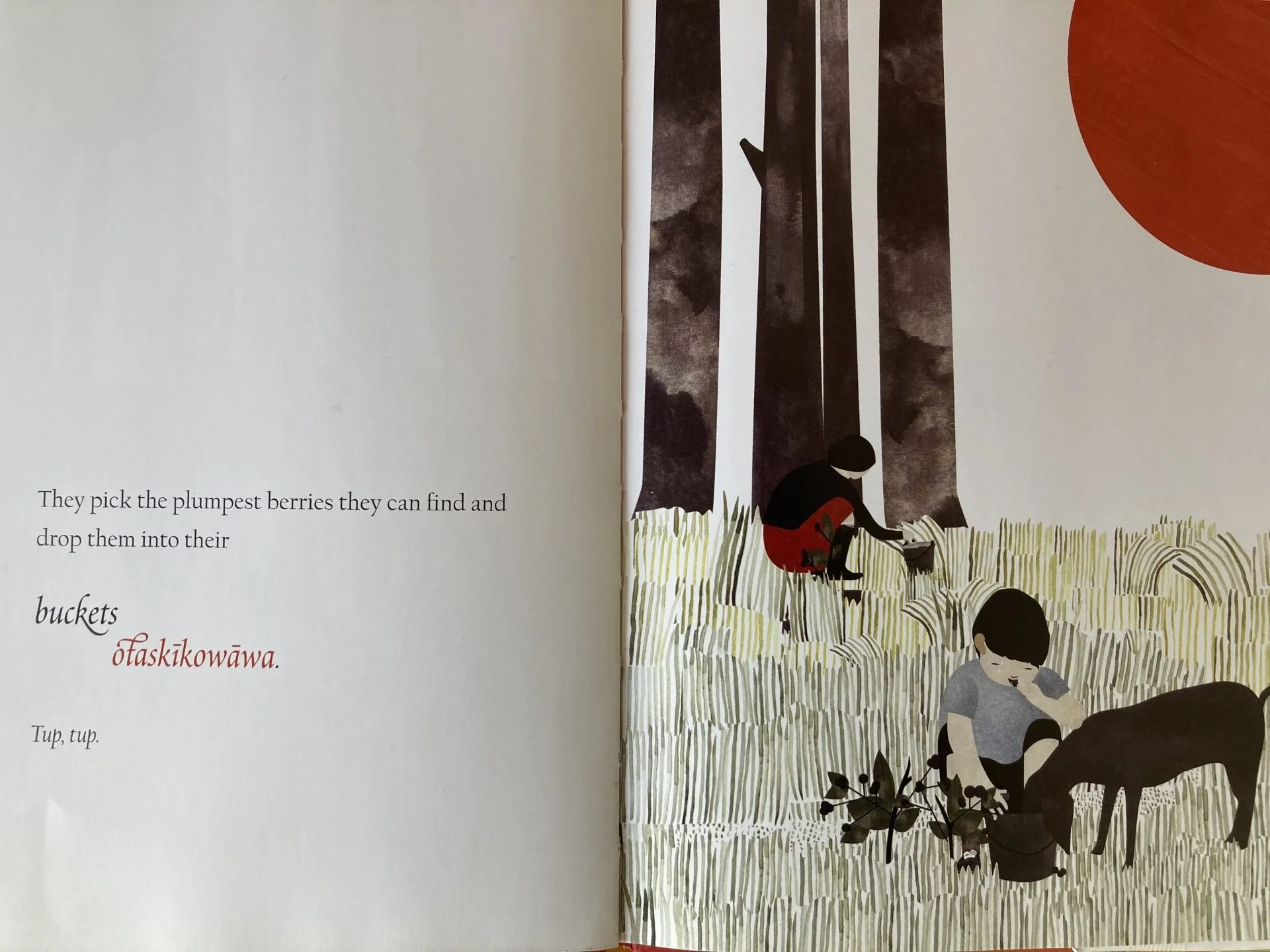
She has helped the reader meet the grandmother and grandchild using spare language. She includes words in their mother language. And she brings the reader into the sensory experience of picking berries in the language that a child might hear, and might like to repeat, tup, tup.
“Bear Came Along,” by Richard T. Morris, illustrated by LeUyen Pham
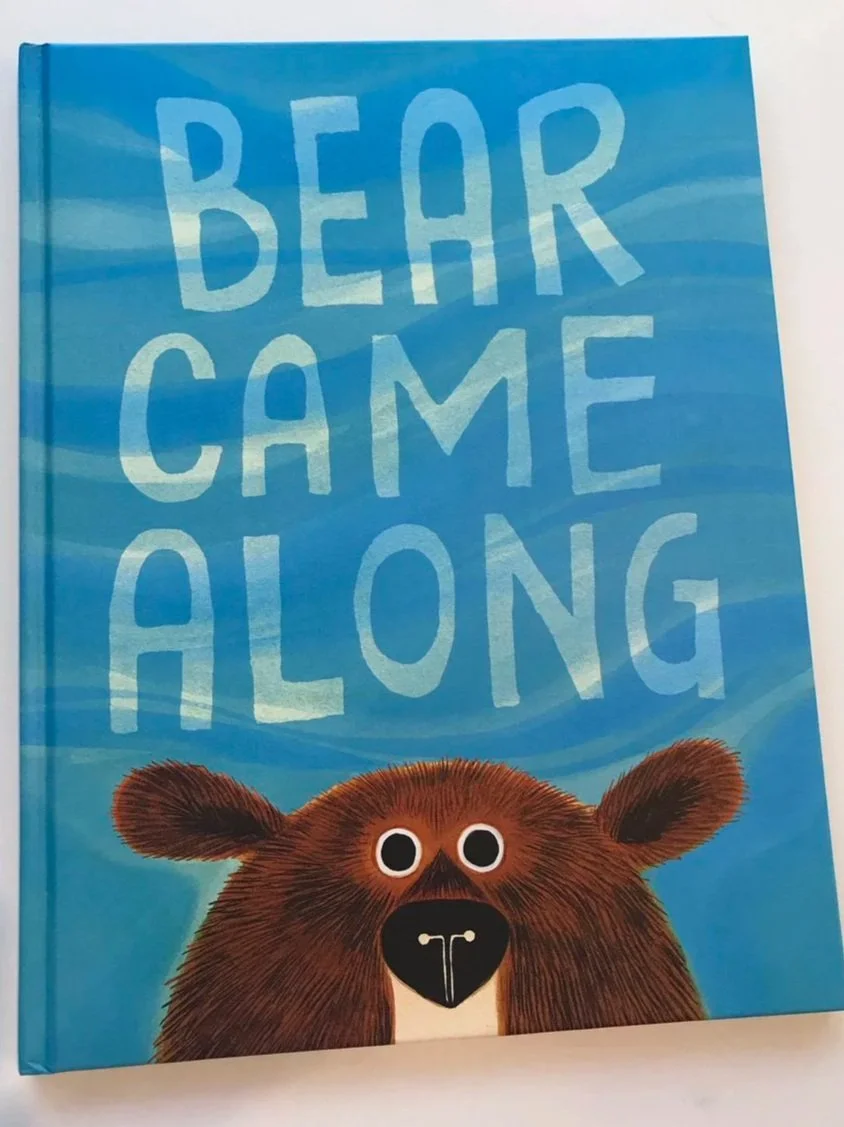
This is a wild cumulative tale. A bear has got himself into a fix while taking a raft down the river and is joined by one animal after another. The animals’ plight gets worse until it gets even worse, until all the animals on the raft are piled up at the edge of a giant falls like Niagara. A cliffhanger like this will delight many kids. They will also see the dangers the animals face, which is even more exciting. Sometimes children love stories that scare them. You can read more about this idea in Jan Mark’s genius story collection for slightly older children, “Nothing to Be Afraid Of.”
“This Is Not My Hat,” by Jon Klassen
Subversive stories “might not be considered auspicious by parents,” as one reviewer wrote about Jon Klassen’s “This Is Not My Hat.” There is a theft, a betrayal, and a likely killing of the main character, a little fish. The language is very direct. Klassen begins:
This is not my hat. I stole it.
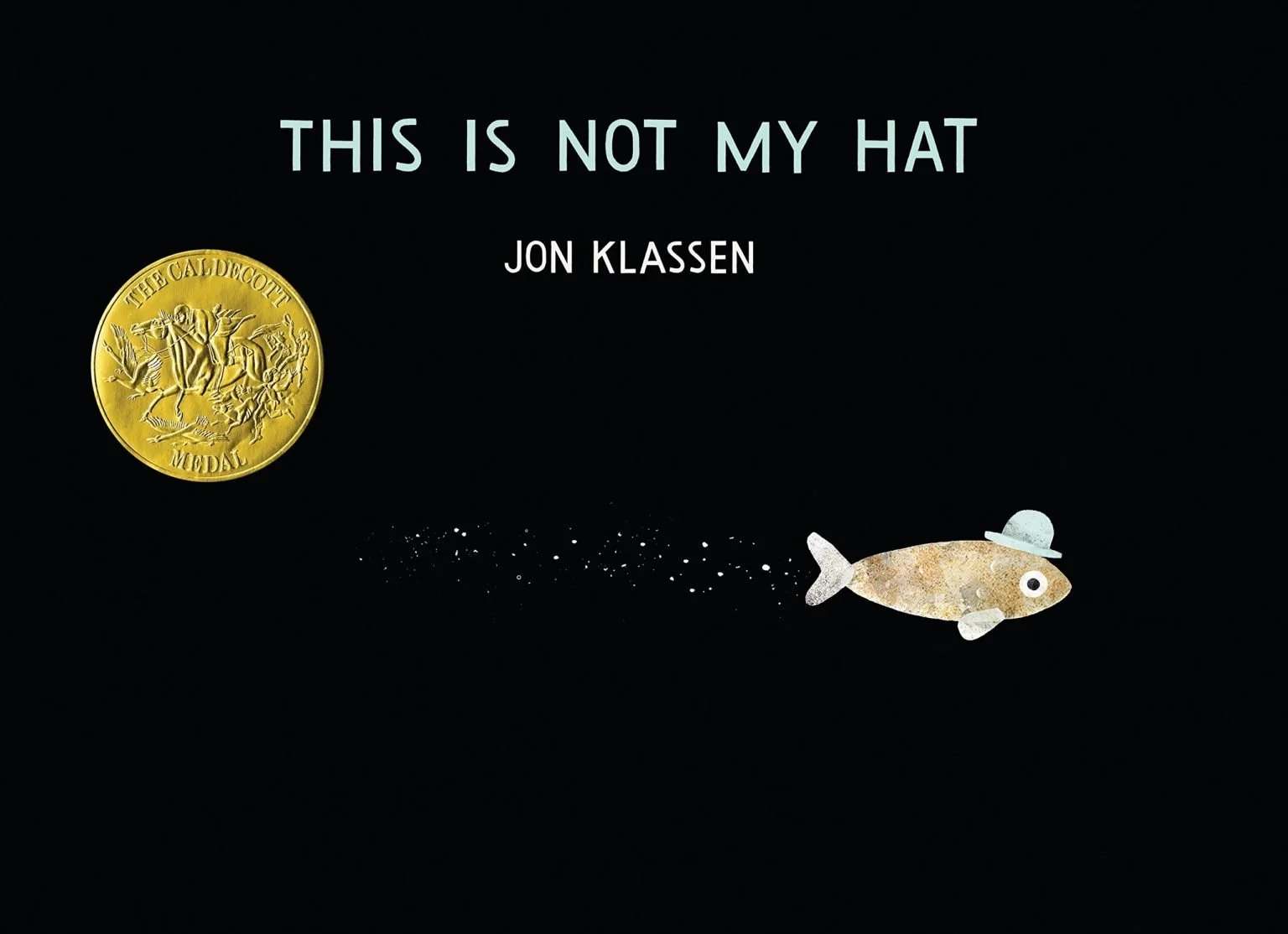
Children love this book. And educators do too, using it to teach about moral philosophy and ethics, in which children talk about trust, lying, and theft.
You might be interested in exploring fiction that takes readers back in history, possibly based on a life story. A family story can turn on a single concrete item of value to the family, serving as the thread for the reader to follow.
“This Is the Rope: A Story of the Great Migration,” by Jacqueline Woodson, illustrated by James Ransome
Using a rope that children once used for a jump rope is the thread Jacqueline Woodson wove through “This Is the Rope: A Story of the Great Migration,” illustrated by James Ransome. She tells this story in free verse.
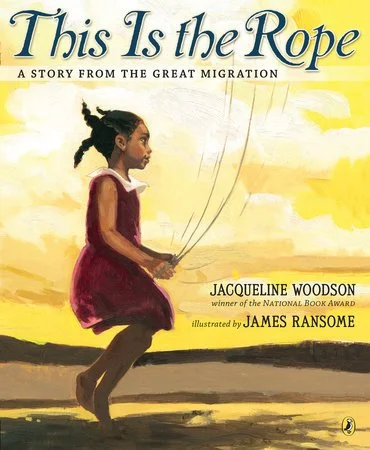
This is the rope my grandmother found
beneath an old tree
a long time ago
back home in South Carolina.
This is the rope my grandmother skipped
under the shade of a sweet-smelling pine.
In Woodson’s author’s note, she described her own grandmother’s experience that brought her family from South Carolina to Brooklyn. She understood deeply the story of her fictional characters. Often in children’s books, the authenticity of emotion arises from the writer searching for and finding themselves as a child and their own fears and joys.
“The Cat Who Liked Potato Soup,” by Terry Farish, illustrated by Barry Root
You can write dialogue that reveals a character through his speech. In my book, “The Cat Who Liked Potato Soup,” illustrated by Barry Root, the story turns on voice.
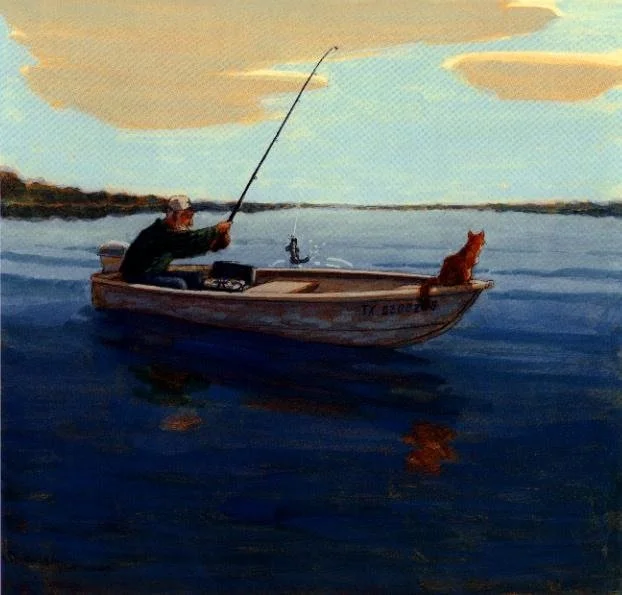
The omniscient narrator adopts the main character's colloquial voice. It’s partly through his voice that I could help readers imagine the old man. And, of course, Barry Root’s illustrations captured him in brand-new ways for me visually. The old man also talks to his cat in repeated lines that become a refrain.
Fool cat, you ain’t nobody’s prize. Never killed nothin’…
Which was true. Not a mouse nothin’.
Children sometimes love the predictability of knowing how a line will end and join in telling it. It could be that your story lends itself to including repetition or a refrain.
These brief notes on picture books are the introduction to a workshop I offer, “Writing a Picture Book.” Picture books are an exciting and hugely varied genre to explore. They include formal poetry, such as Naamah and the Ark at Night” by Susan Campbell Bartoletti, illustrated by Holly Meade. It’s a ghazal, an Arabic form in which each couplet ends with the same word, preceded by a rhyming word. Picture books can include words in two languages to give readers a sense of the sound and rhythm of new words and ways to express ideas. Picture books can be subversive and challenge readers with new ideas. Picture books can be a song of hope in the face of trauma, like Matt de la Peña’s “Love” with illustrations by Loren Long.