
Ways to find a home: 10 stories of migration
“Birdsong,” by Julie Flett
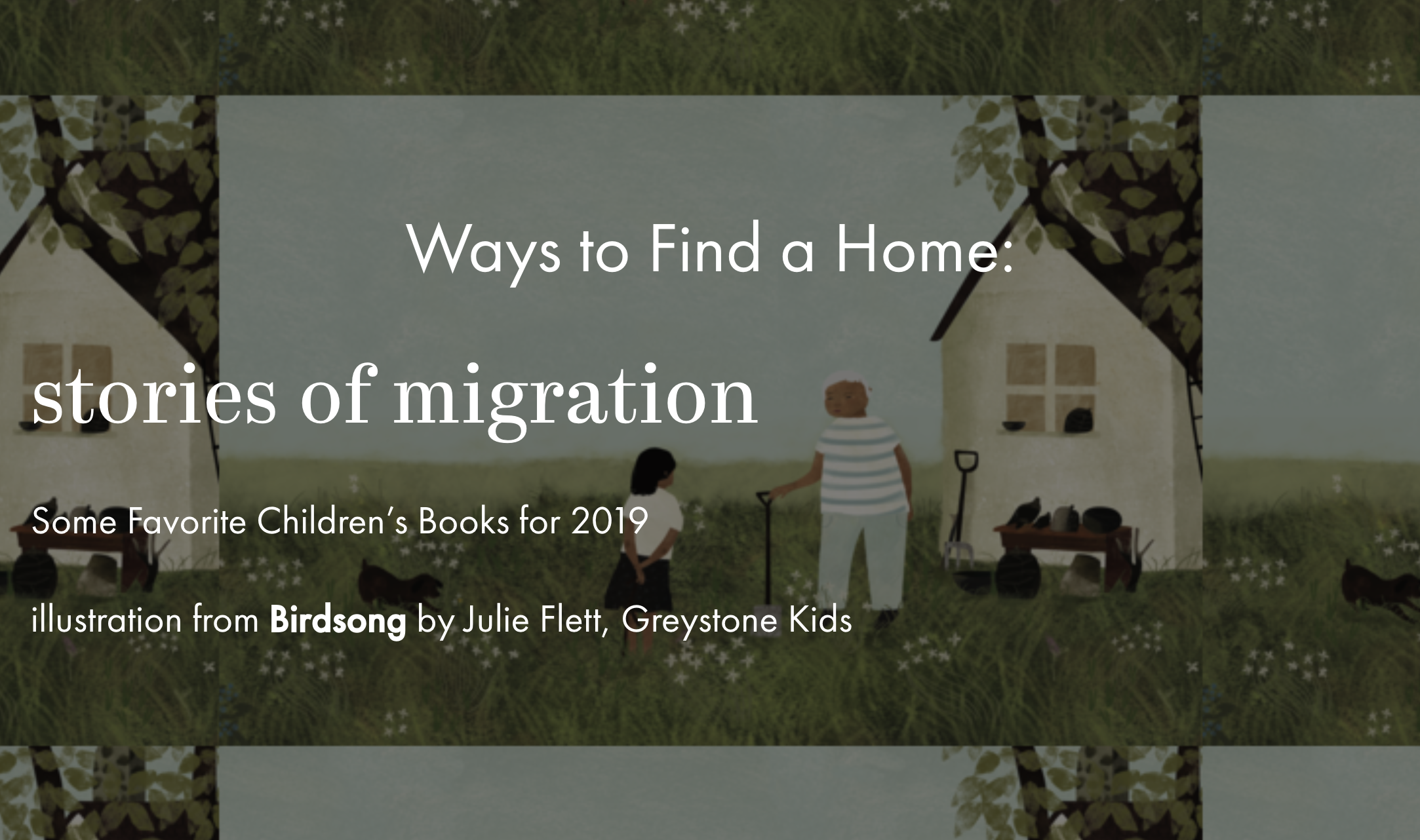
Julie Flett’s picture book “Birdsong” runs away with my blue ribbon for picture books this year. All of these books are about migration of some kind, and in Katherena's case, in “Birdsong,” her migration is to a new home, away from the sea, and across generations. Ever since I read Flett’s earlier book, “Wild Berries,” I’ve loved the spare beauty of her storytelling. I’ve loved reading the native Cree language that she offers young readers in her books.
Agnes is working on a pot that’s round and bright. She tells me about waxing and waning moons. I tell her about Cree seasons. This month is called pimihawipisim — the migrating moon.
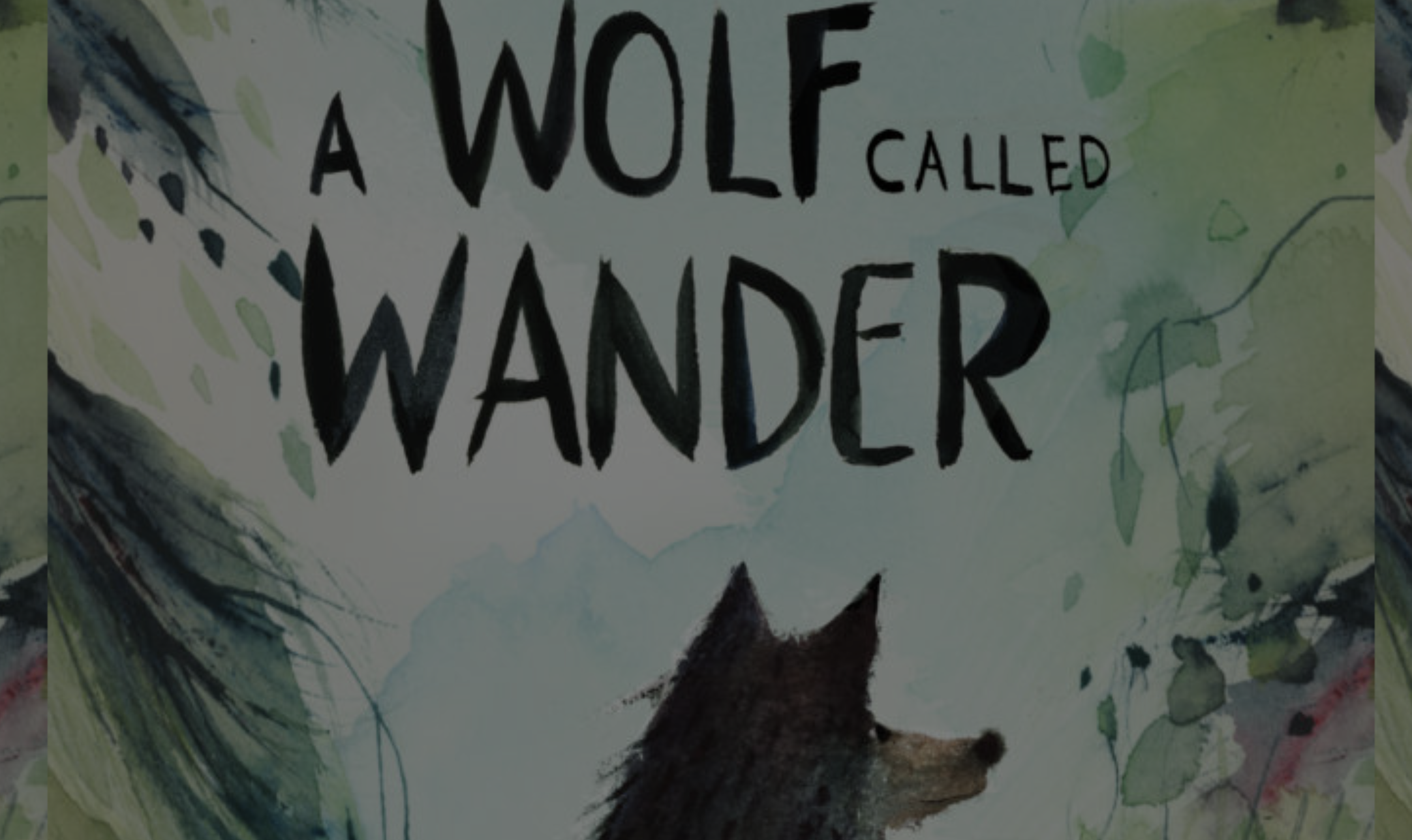
“A Wolf Called Wander,” by Rosanne Parry
This is a middle-grade novel with extraordinary page drawings by Monica Armino. Parry’s fictional recreation of a wolf's documented journey through the Pacific Northwest could spellbind a reader from the first page. I was spellbound. She guides the reader to understand the physical world through Wander’s wolf senses and the life-or-death basis of wolf loyalties. Parry draws parallels between human migration and the migrations of all living beings, writing in her author’s note, “Migration is the heartbeat of the world.”
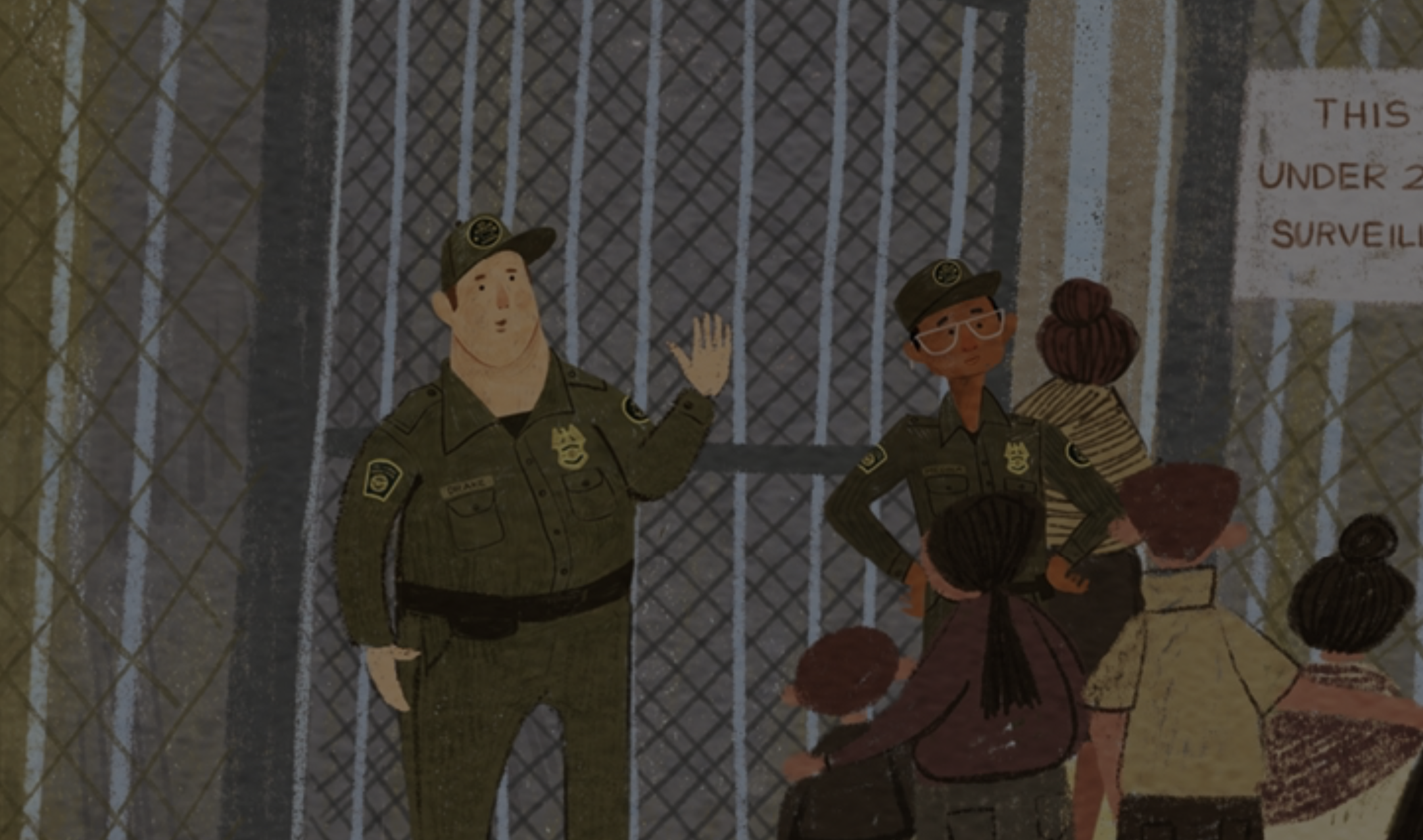
“Between Us and Abuela: A Family Story from the Border,” by Mitali Perkins, illustrated by Sara Palacios
It’s a picture book of one story among the thousands unfolding on the U.S.–Mexican border. In Palacios’ illustrations, you see families approaching the wall on La Posada Sin Fronteras (Inn Without Borders). It is one day of Las Posadas, a celebration of the birth of Jesus, when people gather on both sides of the wall to remember stories of migrants traveling to cross over. This is a fictional story of a reunion of a child with her grandmother, who meets for the first time in five years at the wall.
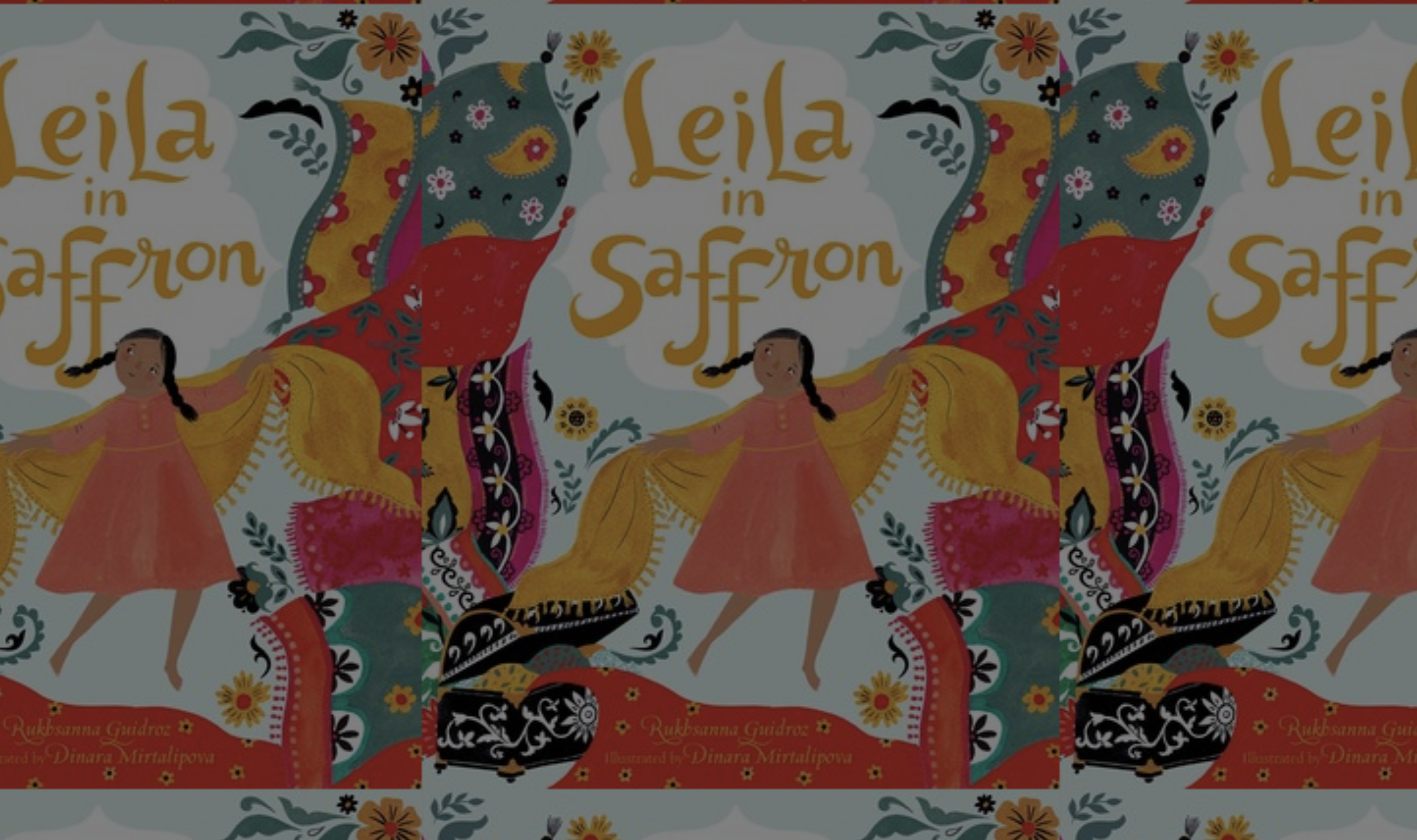
“Leila in Saffron,” by Rukhsanna Guidroz, illustrated by Dinara Mirtalipova (published by Salaam Reads, an imprint of Simon & Schuster)
With Pakistani-American Leila, we go on her journey to see what she sees in the Pakistani culture that helps her discover the wonderful immensity of her own life. The stars of this book are Mirtalipova’s depictions of Leila’s family, swathed in color and joy, their arms open wide in appreciation of this little girl.
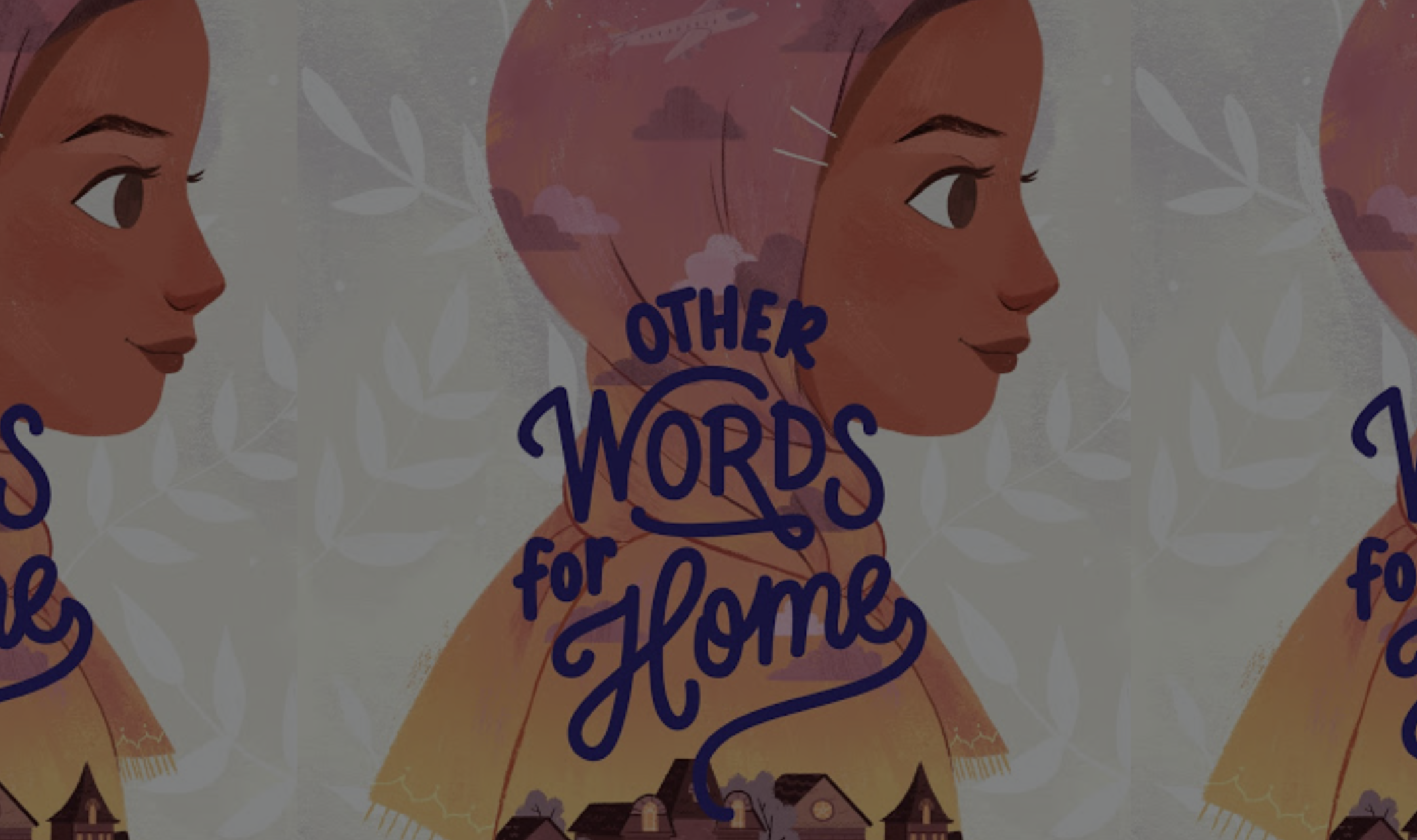
“Other Words for Home,” by Jasmine Warga
Jude is a young girl who loves movies and French pastries from the bakery shop, and her older brother, Issa, lives with her in a town by the sea in Syria. But very soon, she and her mother, carrying Jude’s unborn baby sister, leave Syria to find safety in her uncle’s home in the United States. “Other Words for Home” is a middle-grade novel in verse in the voice of a daughter of Syria telling her journey story to America and an American school while longing to see her brother again.
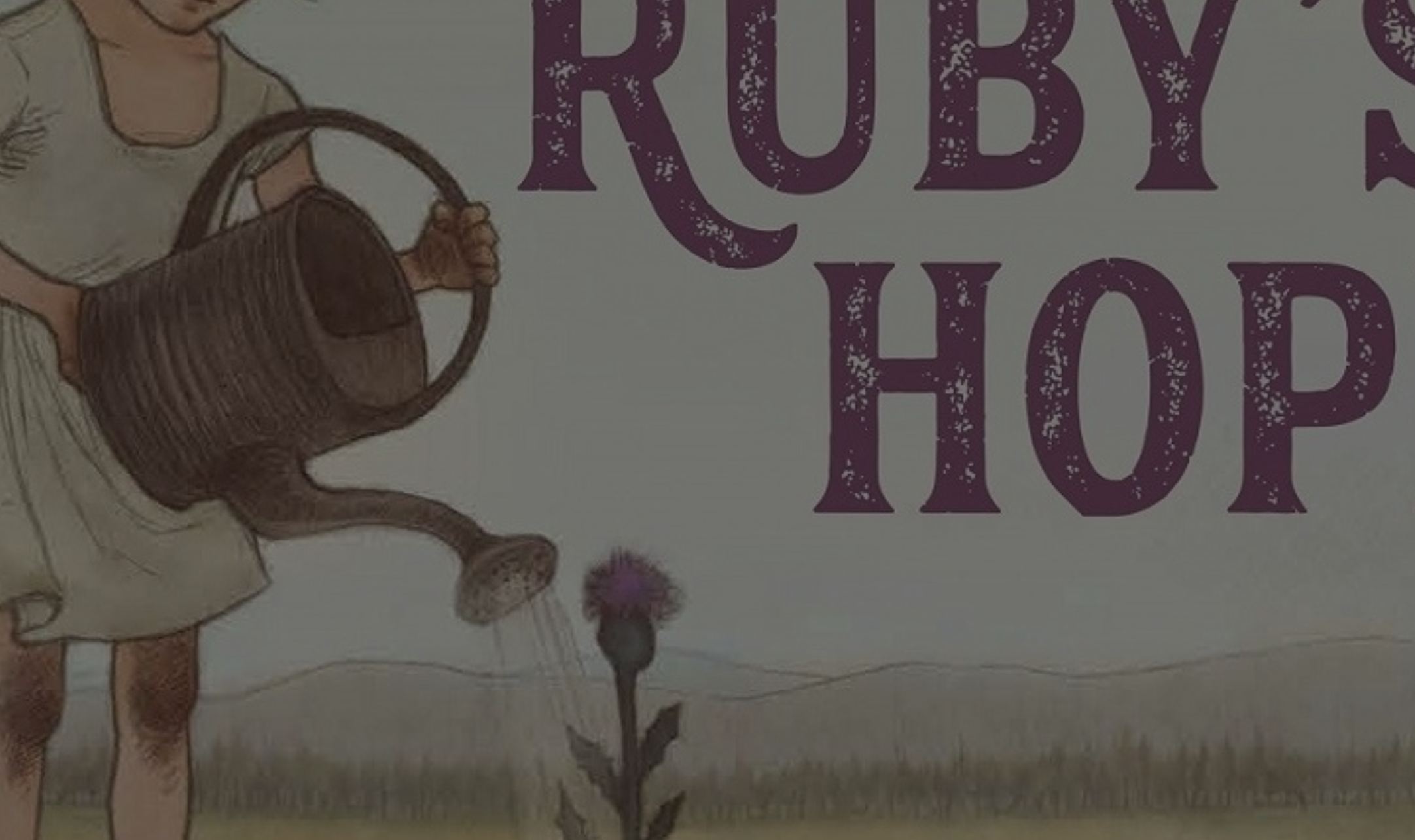
“Ruby’s Hope,” by Monica Kulling, illustrated by Sarah Dvojack
This is another book to offer context to all of us who have migrated to a new home, for economic hope, for our children, for a future. This is a fictional account of a child, her siblings, and her mother who would become the subject of Dorothea Lange’s iconic photograph of the Great Depression, “Migrant Mother.” When Ruby and her family pack up from their farm in Oklahoma, where nothing grew, and the cow had died in the dust, they finally leave for California. “The car rumbled west toward Route 66 — the road that crossed the country.” Kulling and Dvojack have created a gritty, determined little girl in Ruby, loyal to her home landscape and her family.
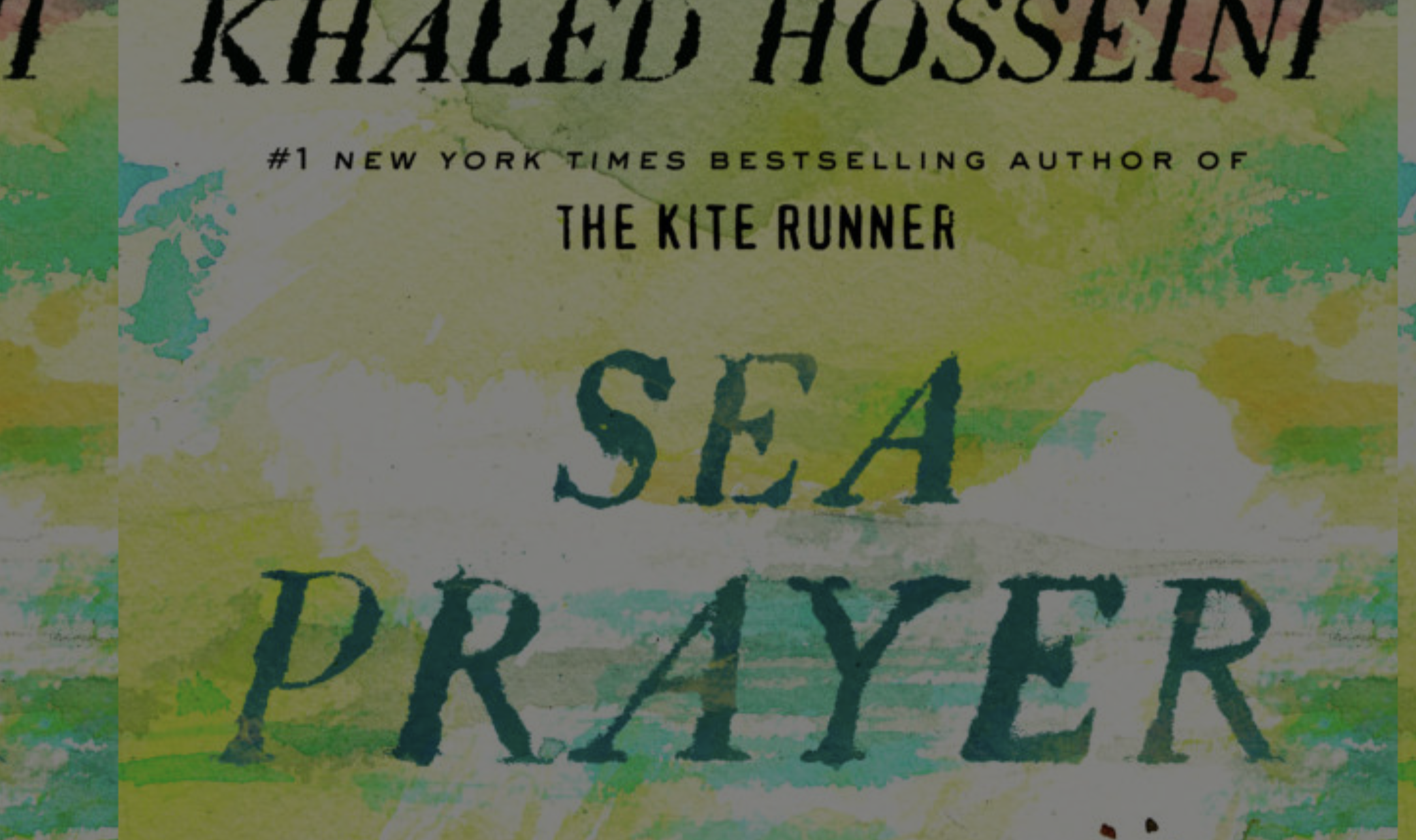
“Sea Prayer,” by Khaled Hosseini
It’s true that picture books are poetry, but “Sea Prayer” is even more truly poetry. And one so steeped in grief and a hunger to speak these words for a child and for the thousands of others who have died at sea seeking a home. “Sea Prayer” is an illustrated poem primarily for middle school, high school, and adult readers. It is Khaled Hosseini’s gift to the UN Refugee Agency, where he is a Goodwill Ambassador. Let me just give you his words in the voice of a grandfather speaking to his grandson who is 3 years old: “I look at your profile/ in the glow of this three-quarter moon,/ my boy, your eyelashes like calligraphy,/ closed in guileless sleep./ I said to you, “Hold my hand.”
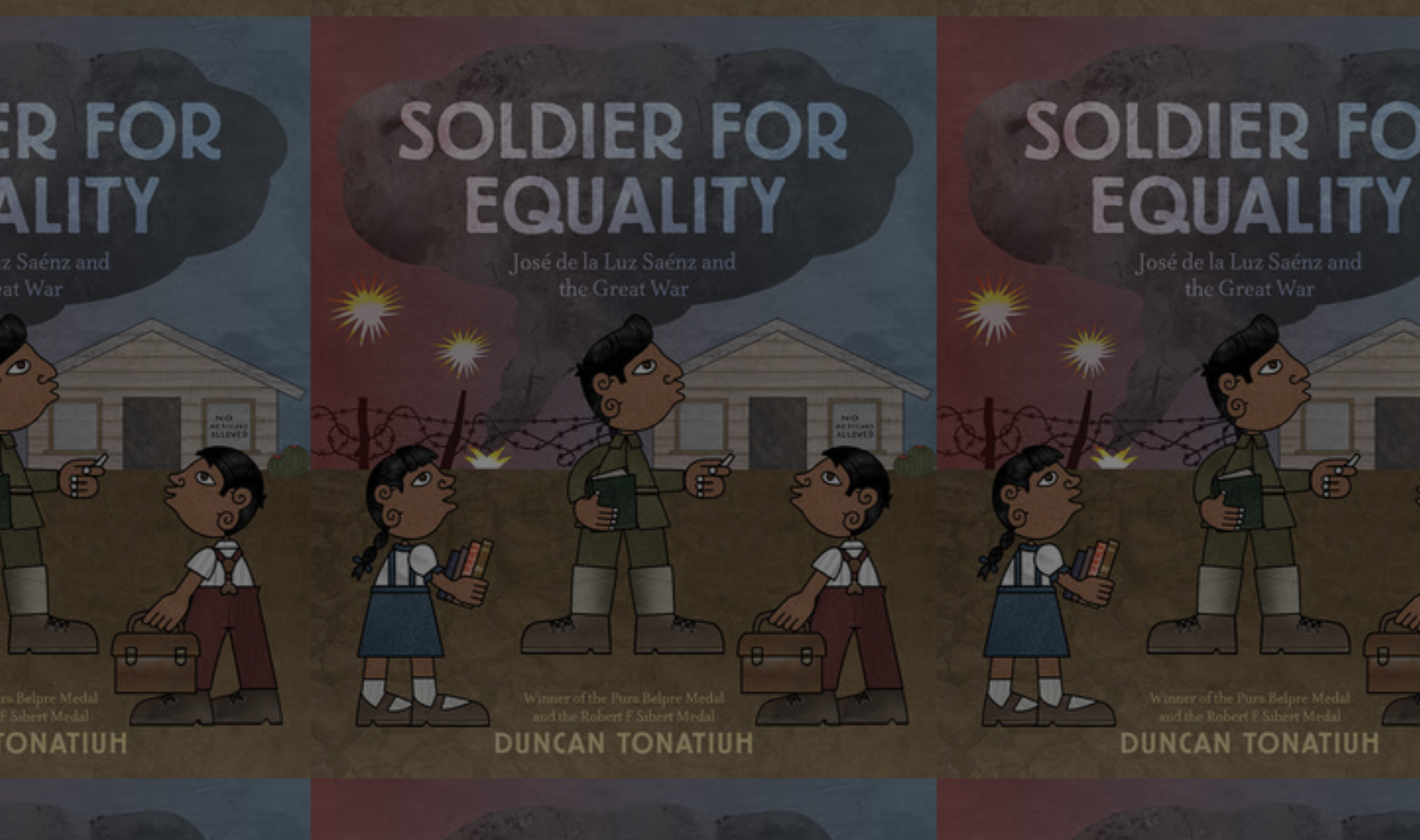
“Soldier for Equality,” by Duncan Tonatiuh
Mexican and American writer and illustrator Duncan Tonatiuh has won the Pura Belpre Award and the Sibert Medal for his storytelling and distinctive art. His illustrations are based on pre-Columbian art of the native Aztecs and Mixtecs of Mexico. “Soldier for Equality” is a picture book biography of Jose de la Luz Saenz, who fought for equality and the rights of Americans of Mexican heritage. This is a brilliant historical biography of a man who was a teacher in the early 1900s, a soldier in World War I, and a civil rights leader all of us life. Take a look at all of Tonatiuh’s books to revel in the depth of culture he offers through the art of his storytelling.
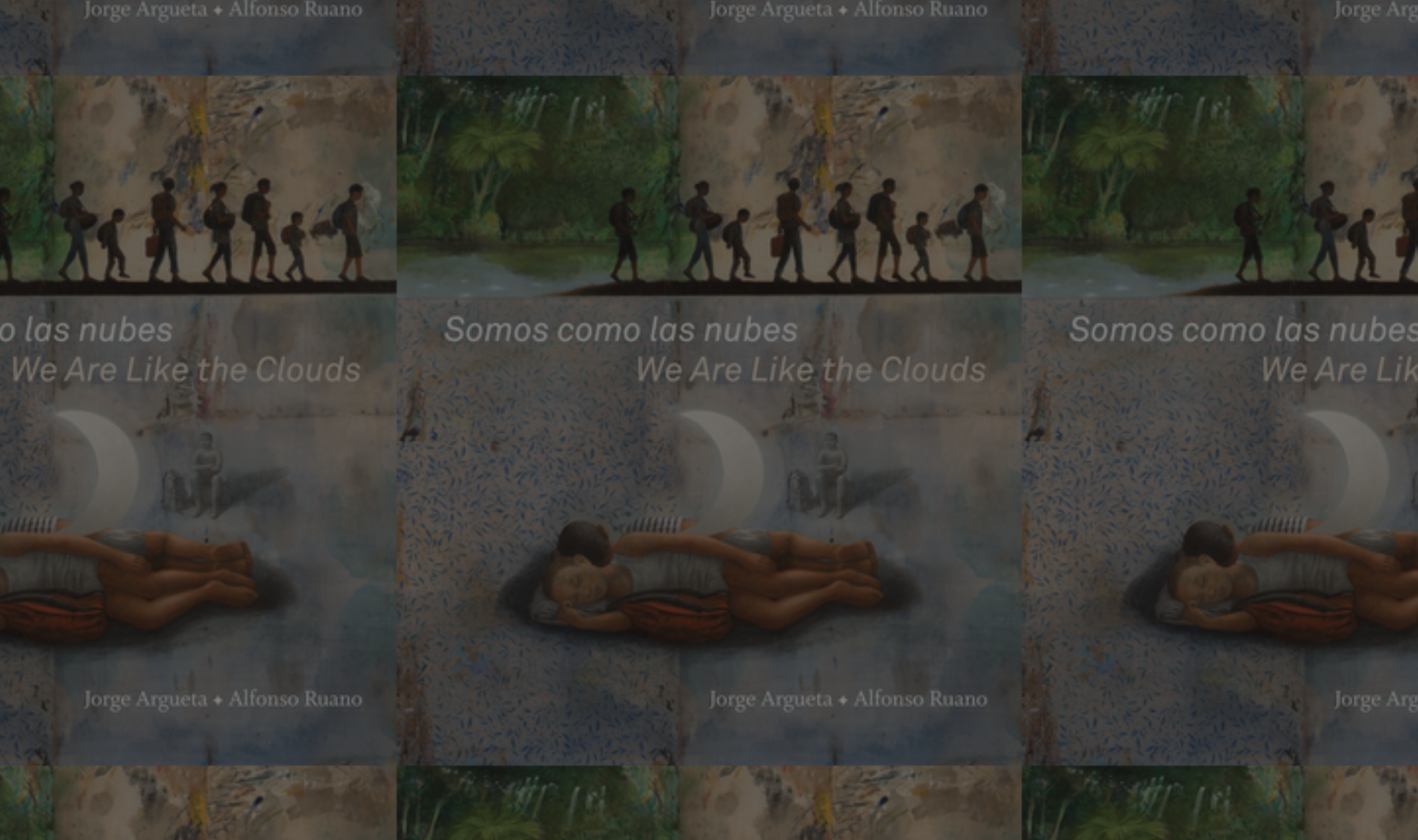
“We Are Like the Clouds,” by Jorge Argueta, illustrated by Alfonso Ruano
In this bilingual picture book, Jorge Argueta and illustrator Alfonso Ruano tell the story of children leaving Central America to seek refuge in the United States. Argueta was a refugee from El Salvador’s horrific war in the 1980s. He writes that when he saw the children fleeing from wars in Central America in such great numbers beginning in 2014, he visited some of the children in a shelter in San Diego and heard their testimony. Somos Como Las Nubes is a collection of surreal, dreamlike poems, as are Ruano’s illustrations. The style invites young readers to inhabit the emotional world of the child travelers, alone, only with each other, and their dreams to hold them. For older children and adults to understand this reality of the Americas.
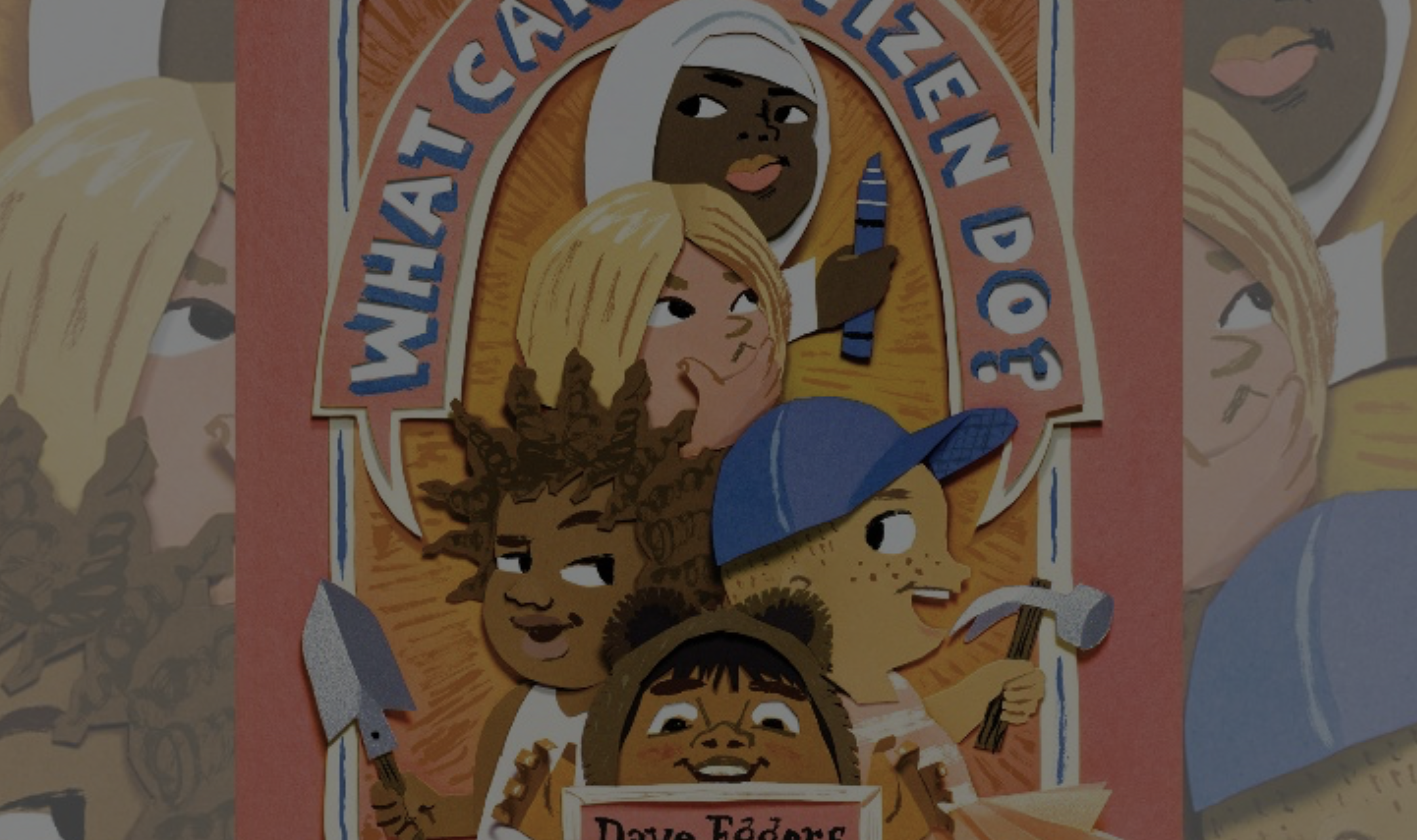
“What Can a Citizen Do?” by Dave Eggers and Shawn Harris
To be a citizen, Dave Eggers and Shawn Harris tell the youngest children, is to have the power to make the choices to shape our lives and our migrations. The first line is “What in the world can a citizen do?” This book is a follow-up to Egger and Harris’s “Her Right Foot — Why is the Statue of Liberty’s Right Foot Forward?” She’s on the move. Her right foot is about America’s role in the wider world. The breadth of thought of “What Can a Citizen Do?” includes: “A citizen cannot forget the world is more than you. We’re part of a society one full of joy and pain. A land of latticed people. None of us the same.” And then finally, “Everything makes an impact on a bigger big than you.”